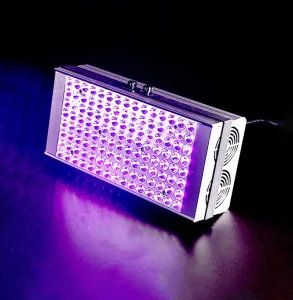
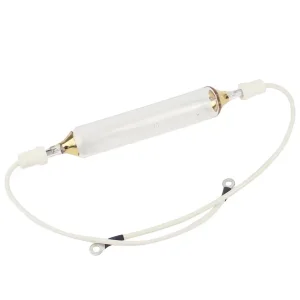
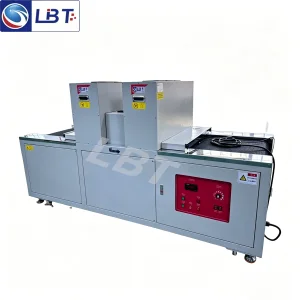
Explore our leading collection of high-radiance curing engines, custom spectral arrays, and intelligent conveyor systems deployed globally across high-precision electronic and printing ecosystems.
As a prominent leader in the global optoelectronics landscape, Dongguan LumiCure Light Co., Ltd. serves as a premier Chinese manufacturer specializing in the advanced research, development, and vertical production of industrial UV LED curing lamps and highly customized ultraviolet system integrations. By utilizing cutting-edge semiconductor packaging and proprietary thermal engineering architectures, we bridge the gap between complex optical science and high-speed industrial manufacturing demands.
Our comprehensive research initiative focuses heavily on solid-state UV light sources spanning the UVA, UVB, and UVC spectrums. Our custom engineered solutions support international OEMs and system integrators by offering turnkey optical systems designed to drop directly into existing manufacturing lines. Backed by state-of-the-art testing facilities, our laboratory optimizes peak irradiance profiles and spectral distribution to guarantee consistent cure rates across varying substrates.
How the consolidation of technological supply chains and industrial infrastructure enables high-performance, cost-effective ultraviolet customization at scale.
By operating inside Dongguan's advanced high-tech industrial manufacturing hub, LumiCure leverages direct localized sourcing of high-purity quartz lenses, raw aluminum extrusions, micro-driver circuitry, and high-performance semiconductor components. This rapid supply ecosystem shortens development cycles from months to days.
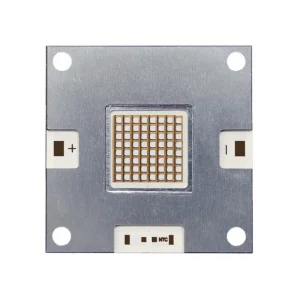
Unlike simple assembly facilities, our internal engineering teams design proprietary Chip-On-Board (COB) substrate layouts. We tailor spatial chip configurations to balance output uniformity and match localized beam distributions, offering superior energy densities compared to standard pre-packaged SMD devices.
Every industrial module exported is fully certified under CE, RoHS, and FCC regulations. We deploy advanced quality inspection setups including automated optical inspection (AOI), thermal aging vaults, and optical degradation monitoring stations to ensure reliable field operations across Europe and North America.
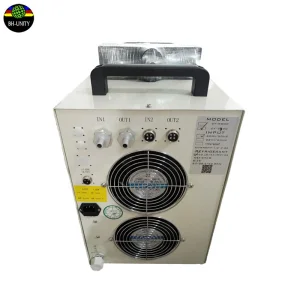
Purchasing managers frequently overestimate the durability of basic SMD packaging under intense heat profiles. Standard sub-par UV lamps suffer localized output drop within the first 1000 operational hours due to high thermal degradation. Our R&D team resolves this by utilizing copper micro-channel liquid cooled modules (MCLC) and high-transmittance quartz optics instead of borosilicate glass, maintaining stable output up to 20,000 continuous hours.
Tracking the structural evolution from gas-discharge mercury systems to intelligent, solid-state ultraviolet arrays.
Traditional manufacturing lines relied on wide-spectrum mercury lamps. Modern applications utilize multi-wavelength arrays (typically blending 365nm, 385nm, 395nm, and 405nm) to resolve surface versus deep-cure issues. Short wavelengths dry the top coating quickly, while long wavelengths penetrate deep into dense ink systems.
Smart factories require continuous real-time diagnostic systems. Our high-power LED systems feature built-in photodetectors, temperature monitors, and automated PLC control feedback loops. If optical output drops below set margins, the driver adjusts input current to maintain uniform dose levels, minimizing production scrap rates.
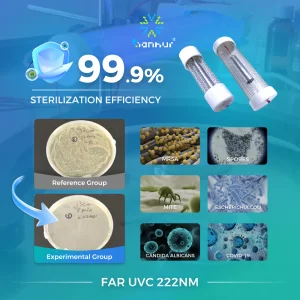
In addition to curing, the global demand for deep UV sanitization has surged. LumiCure's UVC products provide germicidal sterilization (from 222nm to 275nm) safe for cold chain lines, food processing, and active public spaces. This technology breaks down pathogen DNA bonds without relying on harsh chemicals.
Optimizing process efficiency across global high-speed packaging, automated assembly, and manufacturing configurations.
Providing rapid spot and flood UV curing for camera module micro-lenses, smart displays, OLED optical bonding, and PCB coating protection. Our systems prevent heat damage to delicate electronics by utilizing zero-infrared (IR) cold-light outputs.
Optimized systems for flexographic, offset, silk screen, and narrow-web label presses. Features precise integration with high-speed automated print engines like the Epson XP600, drying UV inks and protective varnishes instantly at line speeds exceeding 150m/min.
Providing germicidal solutions for farm water supply systems and cold chain logistics. By mounting our robust UVC modules onto conveyor belts, bacteria and viral load are neutralized dynamically on packaging materials under harsh, sub-zero conditions.
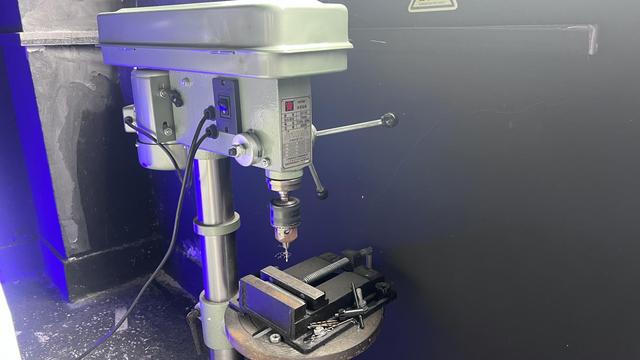
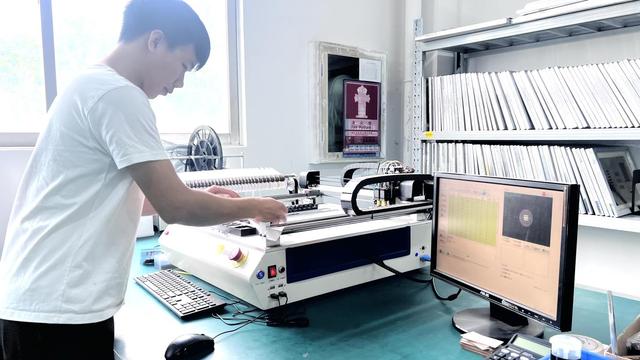
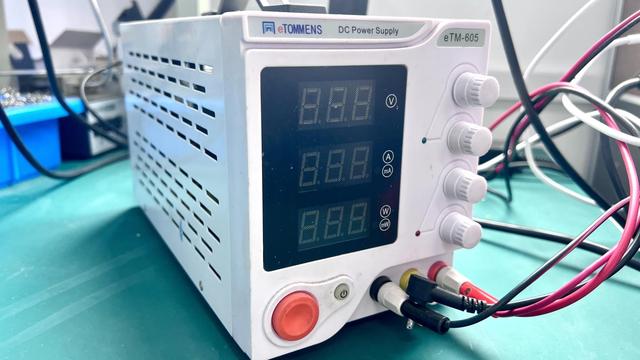
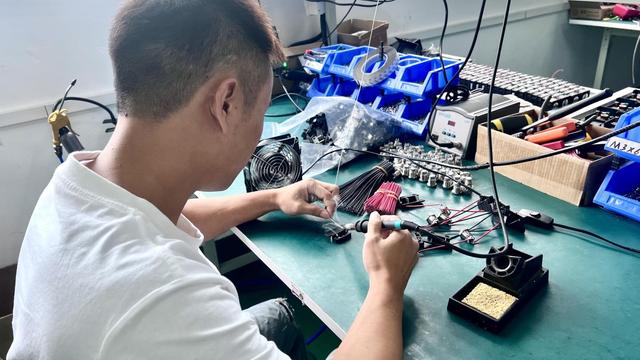
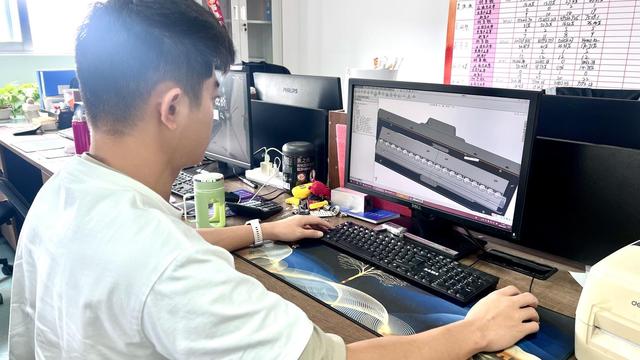
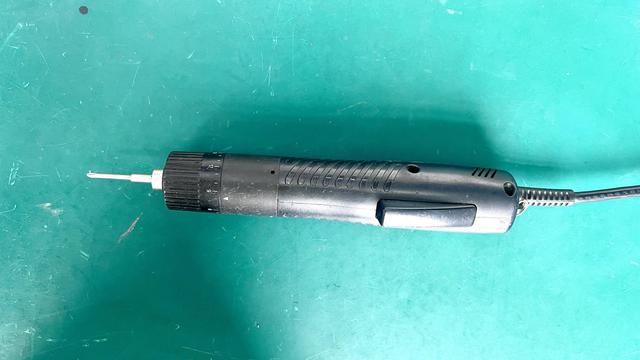
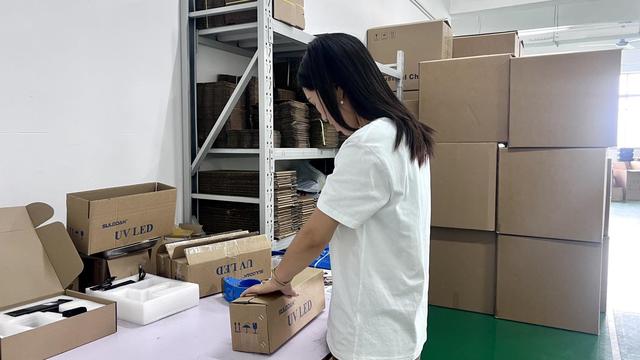
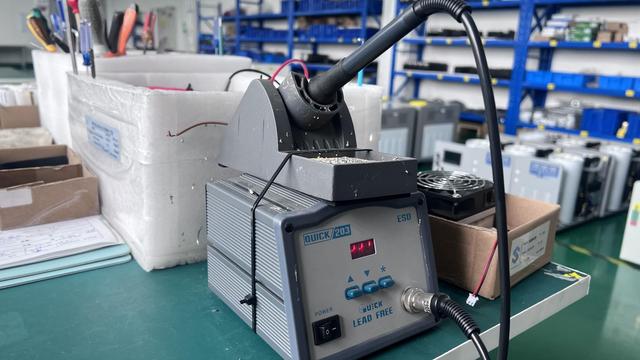
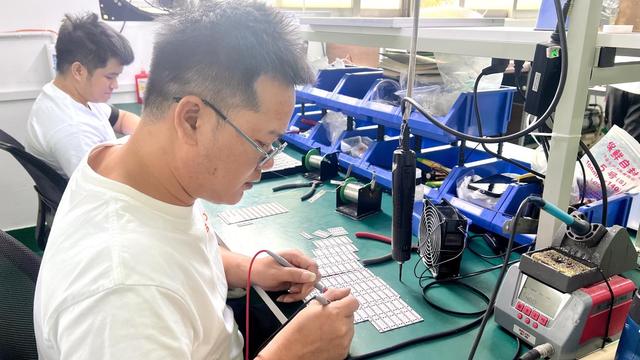
Take an inside look at our advanced manufacturing floor, R&D labs, clean rooms, and quality control test chambers.
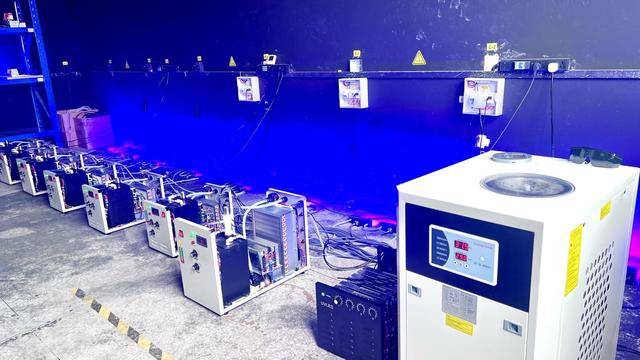
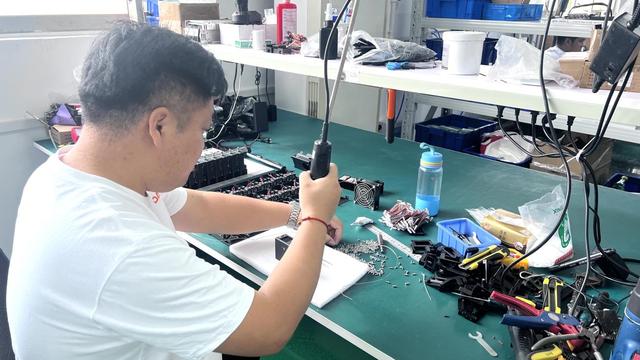
Essential answers to critical queries from global electrical engineers, assembly managers, and purchasing officers.
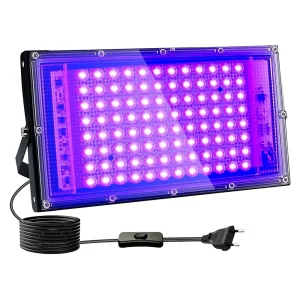
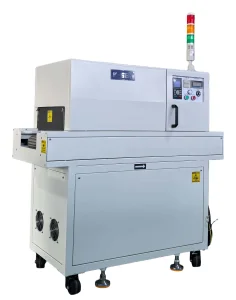
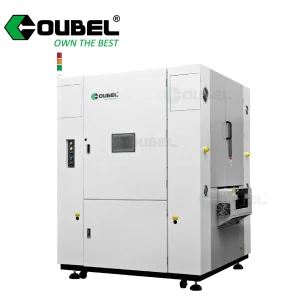
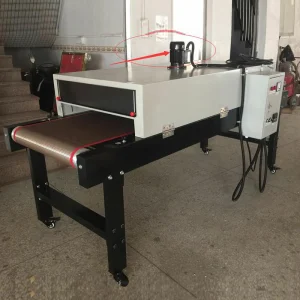
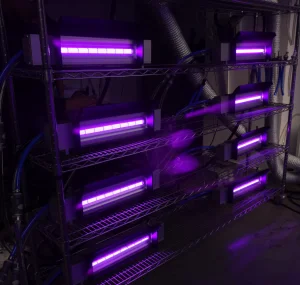
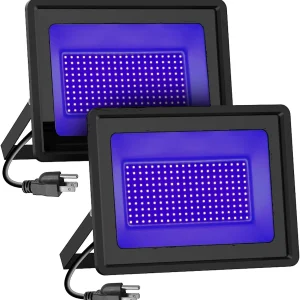
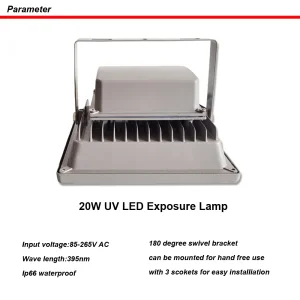
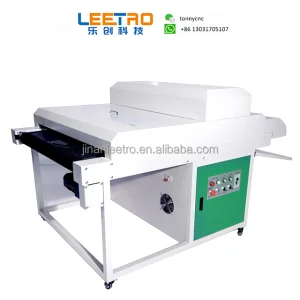
Browse our advanced UV LED modules, compact ovens, high-power flood units, and specialty curing platforms engineered for seamless manufacturing integration.
 LumiCure Light