Advanced Industrial Systems Engineered for Precision, Speed, and Stability
In the rapidly changing landscape of global manufacturing, industrial UV LED curing technology has evolved from a niche alternative to the absolute gold standard for precision finishing, high-speed printing, and assembly. Industrial operations are transitioning from conventional gas-discharge mercury vapor lamps to advanced UV LED curing systems due to their unmatched operational stability, environmental benefits, and overall lower Total Cost of Ownership (TCO). As a premier global exporter of CE certified UV LED solutions, Dongguan LumiCure Light Co., Ltd. is positioned at the intersection of optoelectronic engineering and compliance safety.
Industrial compliance, especially within the European Economic Area (EEA) and highly regulated Western markets, demands that machinery not only delivers high output but also adheres strictly to protective standards. CE Certification serves as a declaration that our systems conform with essential European health, safety, and environmental protection legislation. When purchasing industrial UV LED components, global procurement teams must cross-verify the presence of electromagnetic compatibility (EMC) testing, low voltage directives (LVD), and photobiological safety evaluations. This guarantees that workers are shielded from hazardous radiation, and machines operate without introducing grid interference.
Selecting an industrial UV LED system requires analyzing Peak Irradiance (W/cm²), Energy Density (J/cm²), Thermal Management, and Spectral Purity. A mismatch in wavelength matching with ink/adhesive photoinitiators can lead to surface tackiness or complete curing failure. Working with a CE certified exporter ensures these operational parameters are stabilized and strictly documented.
Hours Operating Lifespan
Energy Consumption Saved
CE, RoHS & REACH Compliant
Mercury & Ozone Emissions
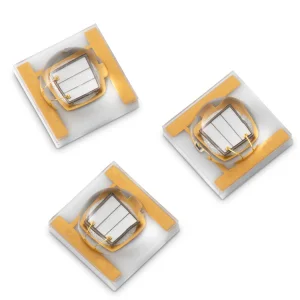
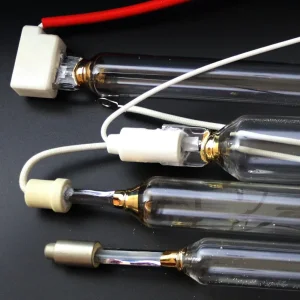
The optoelectronic performance of UV LED systems relies heavily on chip architecture. Historically, mercury vapor lamps emitted a broad spectrum of radiation (spanning UVC, UVB, and UVA wavelengths). While functional, this spectral dispersion generated excessive heat (IR radiation) and harmful ozone gases. Modern UV LED technology utilizes solid-state semiconductor diodes to output narrow, highly concentrated bands of light, typically centered around 365nm, 385nm, 395nm, or 405nm.
Our diodes emit narrow spectral bands (±5nm tolerances), directing photons only to where the chemistry requires. This eliminates thermal degradation of thin substrates, making it ideal for flexible packaging, thin films, and heat-sensitive electronics.
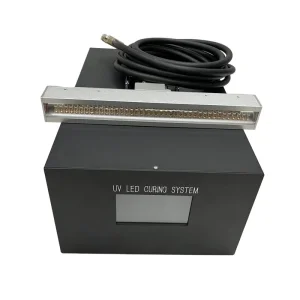
By packing high-intensity LED matrices onto copper and ceramic metal-core PCBs (MCPCB), we achieve intense localized peak irradiance. This density ensures deep penetration for thick adhesive bonds and opaque ink layers.
Integration with PLC interfaces allows real-time modulation of irradiance. Power output adjusts dynamically to line speeds (e.g., matching the high throughput of offset printing machines), preventing over-curing and thermal stress.
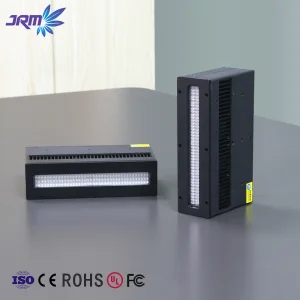
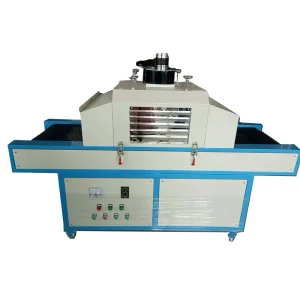
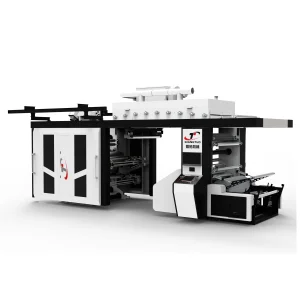
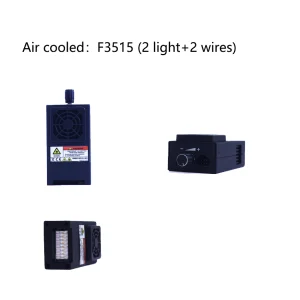
Thermal dissipation remains the primary challenge in solid-state lighting. Because LEDs convert only about 20-30% of energy into light (with the remaining 70-80% converting to heat), high-power UV LEDs require advanced cooling architectures. LumiCure incorporates dual-path designs: high-velocity air-cooling with precision extruded aluminum heat sinks for compact curing heads, and closed-loop liquid-chiller systems for large-format, high-output print stations (e.g., 1000W offset printing lamp heads). Effective thermal management ensures that the junction temperature of the LED chips remains well within safe operational limits, preventing wavelength shifting and extending the system's operating lifespan beyond 20,000 hours.
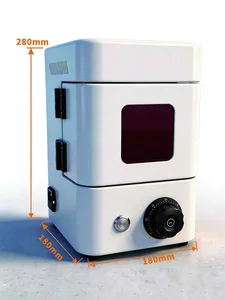
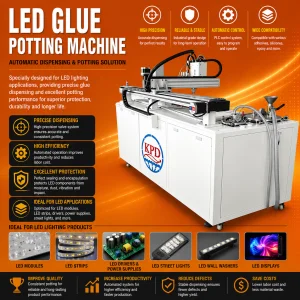
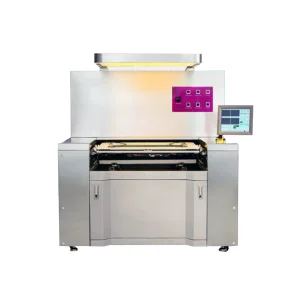
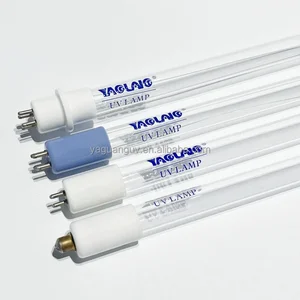
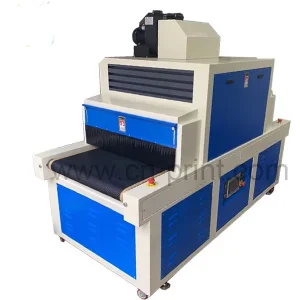
Industrial manufacturing processes require specialized curing properties. Standard off-the-shelf equipment rarely provides optimal curing profiles for different materials. By collaborating with process engineers, LumiCure supplies tailored, application-specific systems designed for high performance:
Inside Dongguan LumiCure Light Co., Ltd. - Advanced Production, Quality Control, and Traceability
Operating out of Dongguan, China's industrial manufacturing heartland, Dongguan LumiCure Light Co., Ltd. leverages a highly optimized supply chain ecosystem to deliver reliable, high-performance curing equipment. Our manufacturing plant adheres to ISO 9001:2015 standards, ensuring that every step—from raw wafer inspection to chip-on-board packaging, thermal assembly, and final testing—follows strict quality control protocols.
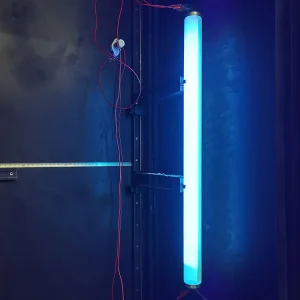
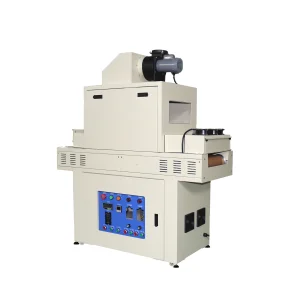
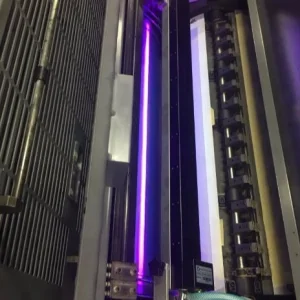
By maintaining strategic partnerships with top-tier LED substrate suppliers and precision machining partners, we mitigate supply chain disruptions and offer stable lead times for both standard systems and custom OEM/ODM designs. Our engineering and production facilities are showcased below:
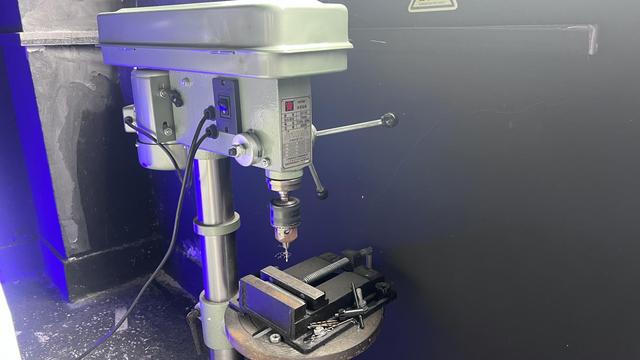
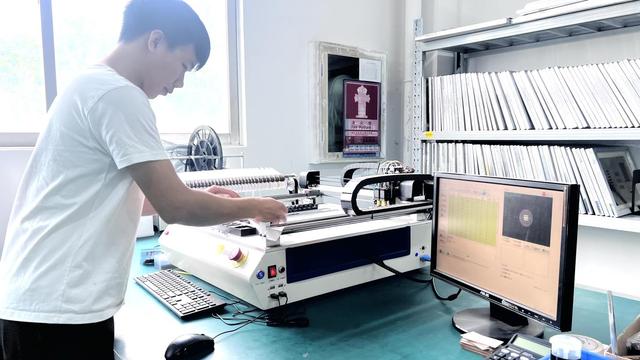
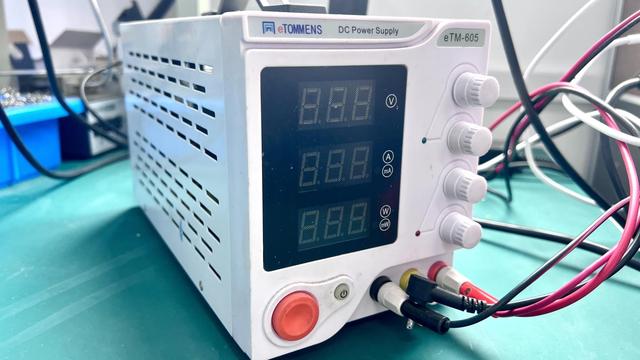
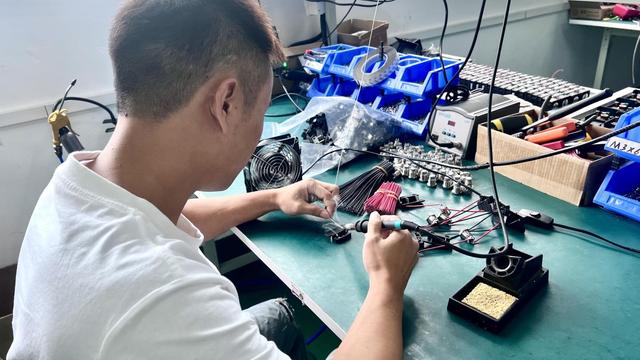
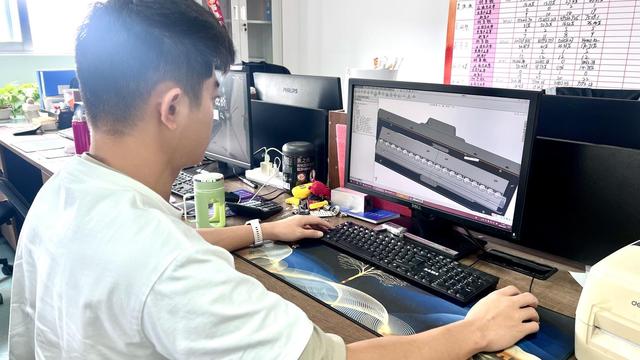
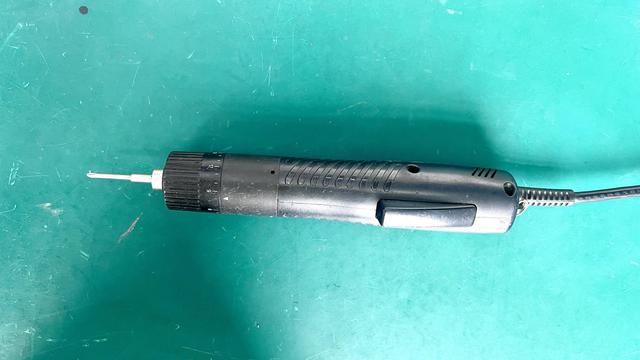
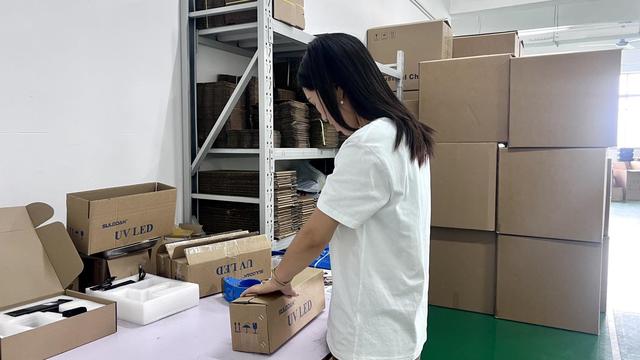
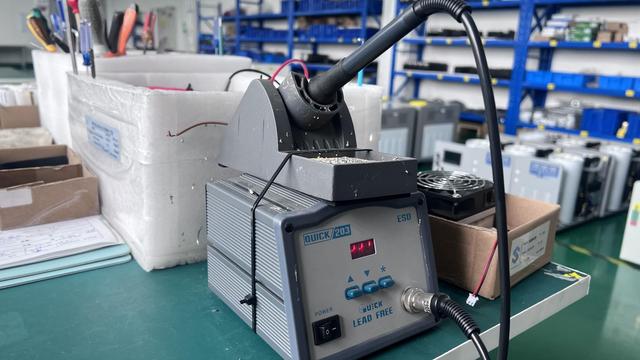
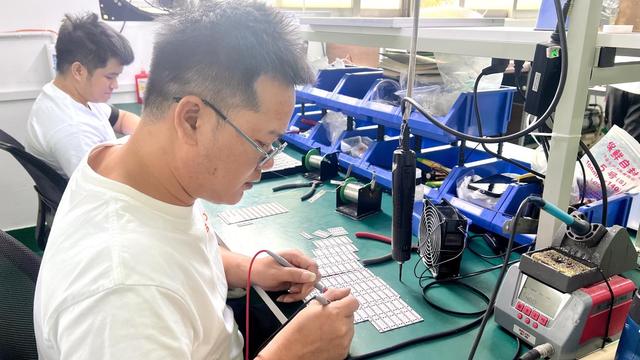
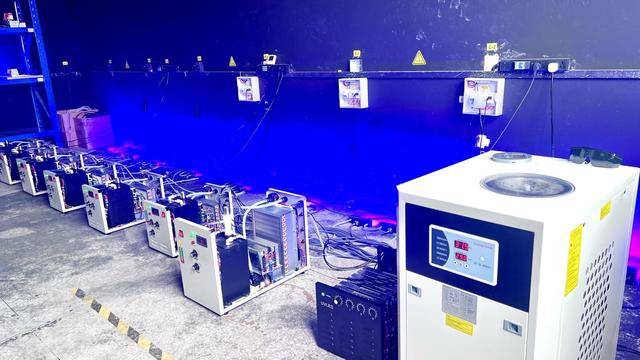
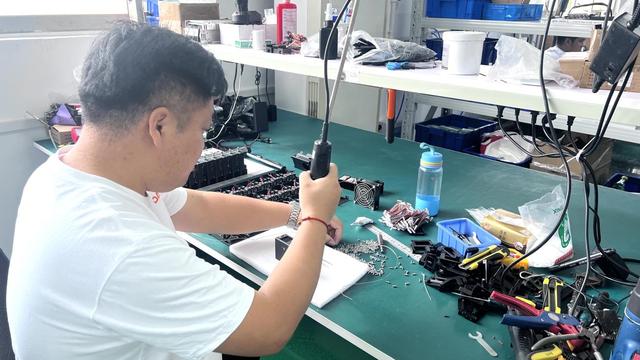
This localized control over engineering and fabrication allows us to deliver high value for customized curing requirements. Whether adjusting radiation widths to match custom print heads or designing dedicated conveyor structures, our engineering team manages the complete lifecycle from initial computer-aided simulations to final CE compliance testing.
Navigating cross-border compliance is a key requirement for modern industrial procurement. Our UV LED curing products conform to global import and safety standards, making customs integration, onsite installation, and facility approvals simple.
CE Conformity Directives: Our systems conform to the Electromagnetic Compatibility (EMC) Directive 2014/30/EU and the Low Voltage Directive (LVD) 2014/35/EU. This prevents electrical interference and guarantees safe power termination under high loads.
RoHS & REACH Declarations: All systems are manufactured without lead, mercury, hexavalent chromium, or polybrominated biphenyls, facilitating eco-friendly disposal and compliant plant operation.
Technical and Onsite Field Services: To support our global distributors and OEM customers, LumiCure offers remote integration engineering, digital twin CAD models for pre-installation planning, and step-by-step commissioning guides. We keep replacement modules, replacement water-cooling blocks, and optical lenses stocked in regional warehouses to minimize manufacturing downtime.
Evaluating the return on investment (ROI) when switching from mercury arc lamps to UV LED systems highlights several cost benefits. Below is a comparative breakdown of the operational expenses:
For a production facility operating three shifts, replacing a single mid-power mercury line with a CE certified UV LED curing system can reduce localized energy consumption, eliminate warm-up cycles, and lower maintenance costs, typically achieving ROI in under 12 months.
Addressing Common Engineering and Compliance Questions for Global Buyers
Application-Specific Equipment Engineered for Industrial Manufacturing Processes
 LumiCure Light